
- Standardize setup patterns across multiple product modules and POD teams
- Reduce repeated workflow, audit, and security implementation effort
- Automate manual media plan ingestion from Excel-based workflows
- Create a reusable AI and ADD layer that could support taxonomy, campaign management, activation, and governance
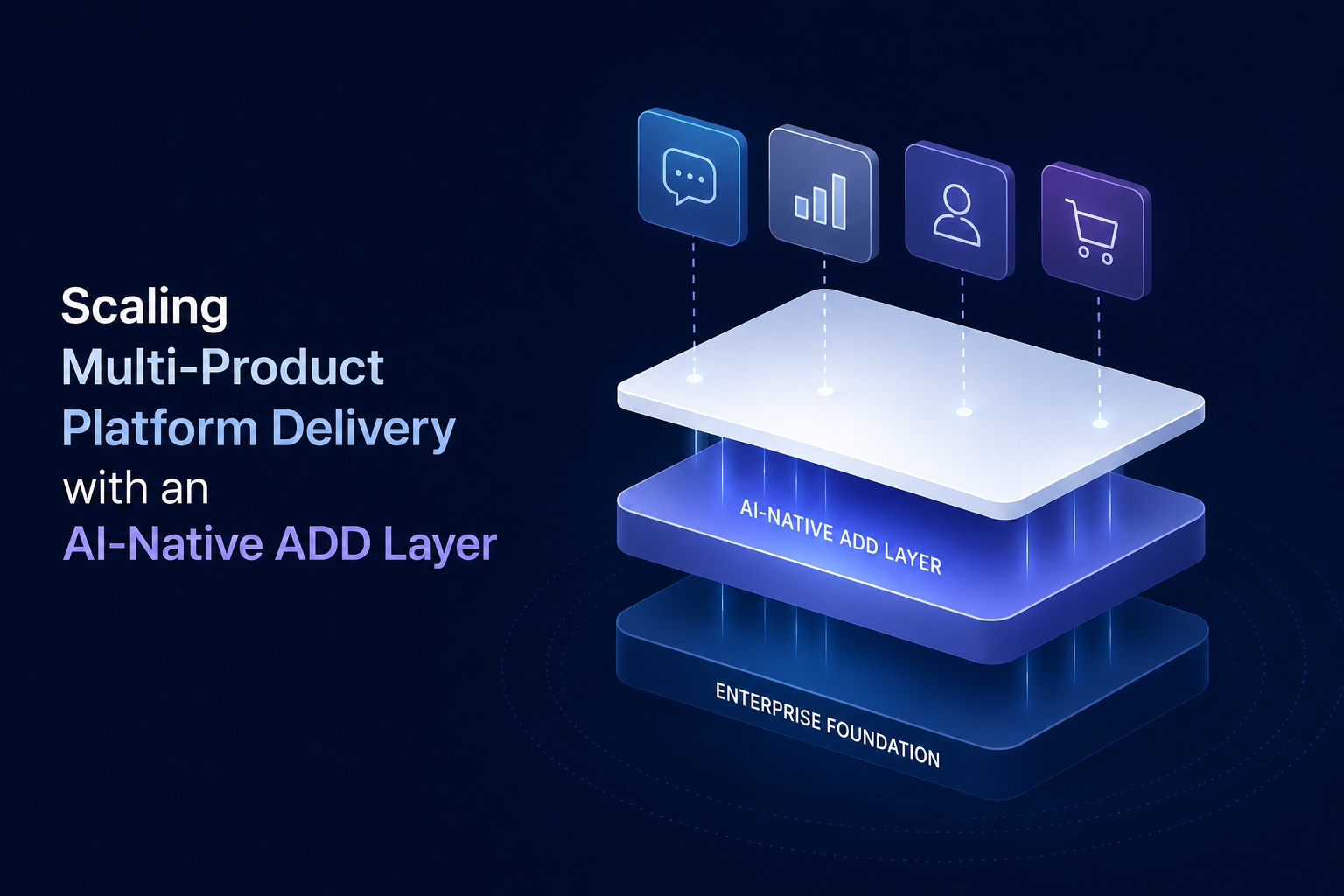
Scaling Multi-Product Platform Delivery with an AI-Native ADD Layer
A global media agency transformed its platform engineering approach by building multiple connected products on a shared AI-native ADD layer. By standardizing workflows across taxonomy, campaign management, media plan ingestion, activation, audit, and governance, the business reduced repeated setup effort, improved product consistency, and enabled new modules to move from days of bootstrap work to hours.
- 80% Faster Module Bootstrap
- 60% Less Audit Effort Per Repo
- 70% Faster POD Onboarding
Business Requirements
The platform team needed to scale development across multiple product modules without every team rebuilding the same foundations from scratch. Inconsistent scaffolding, documentation drift, manual Excel-based media planning workflows, and repeated security/audit cycles slowed delivery across product PODs.
The shared ADD layer helped create a common engineering foundation across the platform, allowing teams to reuse proven patterns instead of recreating them for every product. This enabled faster onboarding for new PODs, more consistent module delivery, and scalable automation across connected media workflows.
Solutions
Shared ADD Engineering Layer
- Built a reusable ADD foundation to support multiple platform modules and product PODs
- Standardized common patterns for workflow, audit, governance, and security cycles
- Enabled global agents and shared libraries to be reused across the platform
Taxonomy and TXG AI Automation
- Supported conversational naming, folders, and worksheet workflows through TXG AI
- Reduced manual setup effort by applying reusable AI-native patterns
- Enabled rule-compliant processing across hundreds of rows per request
Campaign Management and Workflow Governance
- Connected campaign briefs, approvals, workflows, and audit requirements into the platform
- Improved consistency across campaign management modules and product teams
- Reduced repeated implementation effort for governance-heavy workflows
Media Plan Ingestion and Activation
- Automated Excel parsing and schema inference for media plan ingestion
- Supported activation workflows through external integrations and governance controls
- Created a scalable foundation for connected module delivery across ingestion, activation, and audit
Business Results & Impact
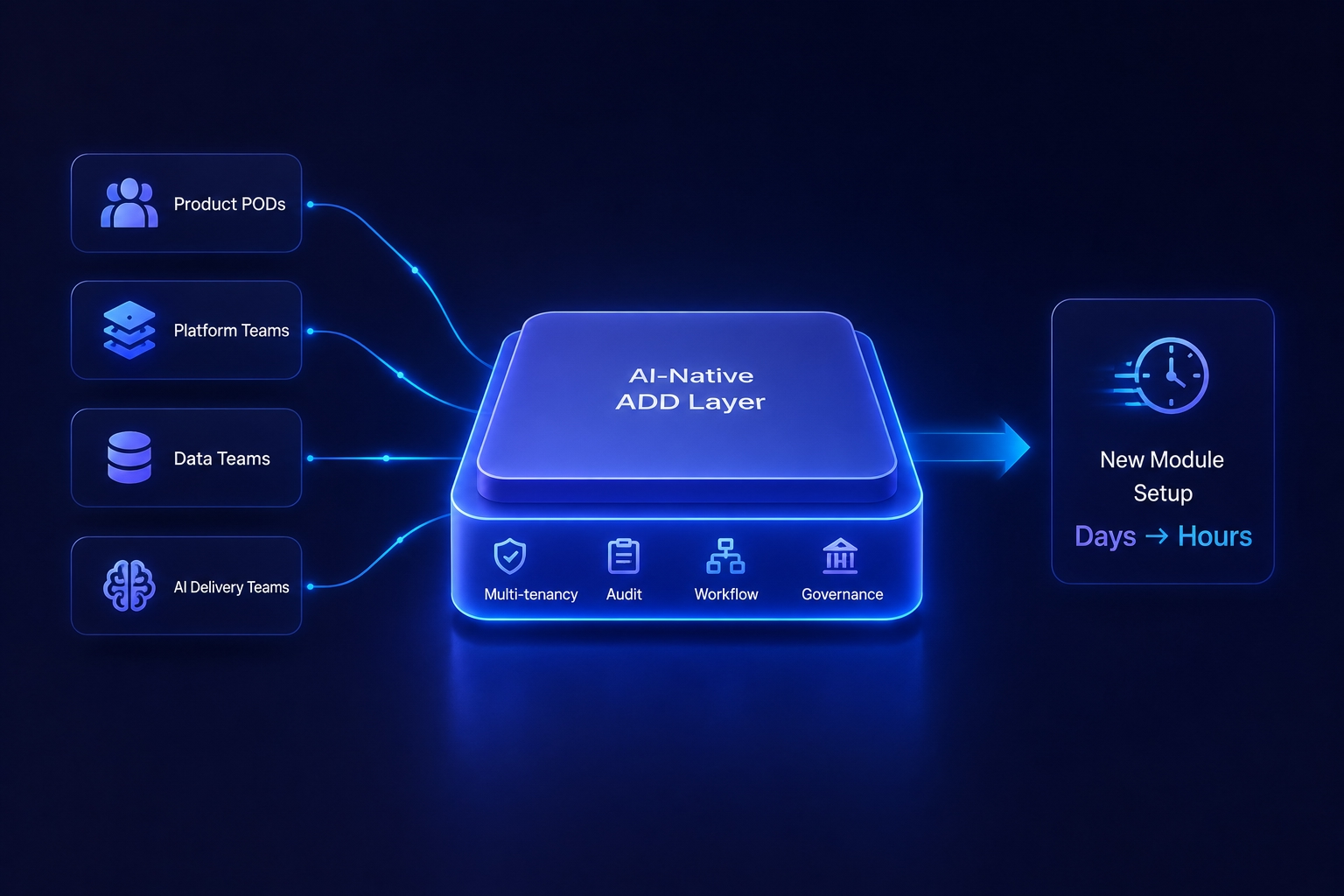
Reduced new module setup from days to hours by using a shared ADD layer across product PODs, platform teams, data teams, and AI delivery teams. This gave every new module a reusable foundation for multi-tenancy, audit, workflow, and governance instead of requiring teams to rebuild core scaffolding from scratch.
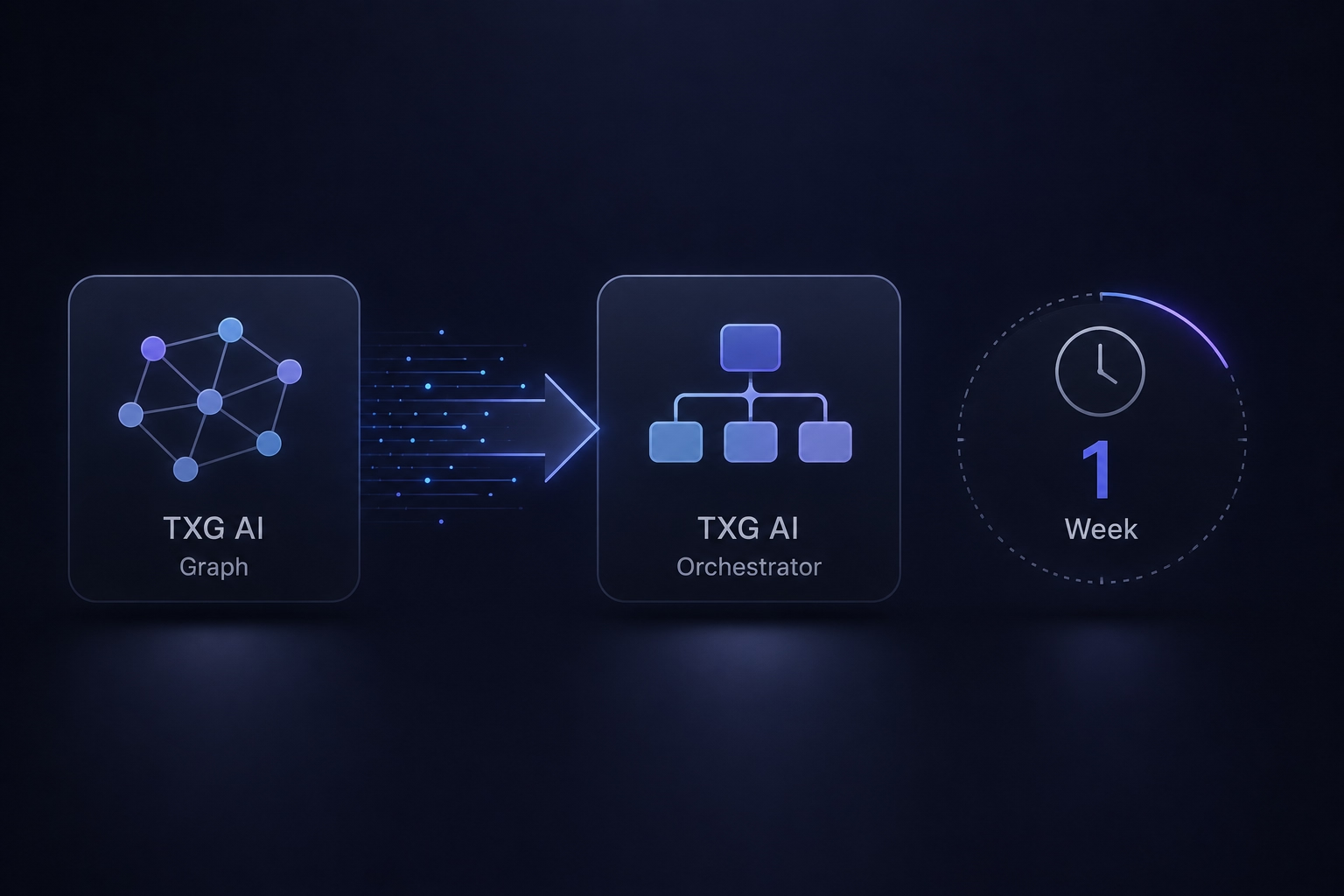
Completed the TXG AI graph-to-orchestrator migration in 1 week, enabling faster movement from product logic to structured execution. This accelerated delivery across taxonomy workflows, conversational naming, folders, and worksheet-based use cases while maintaining consistency across the platform.
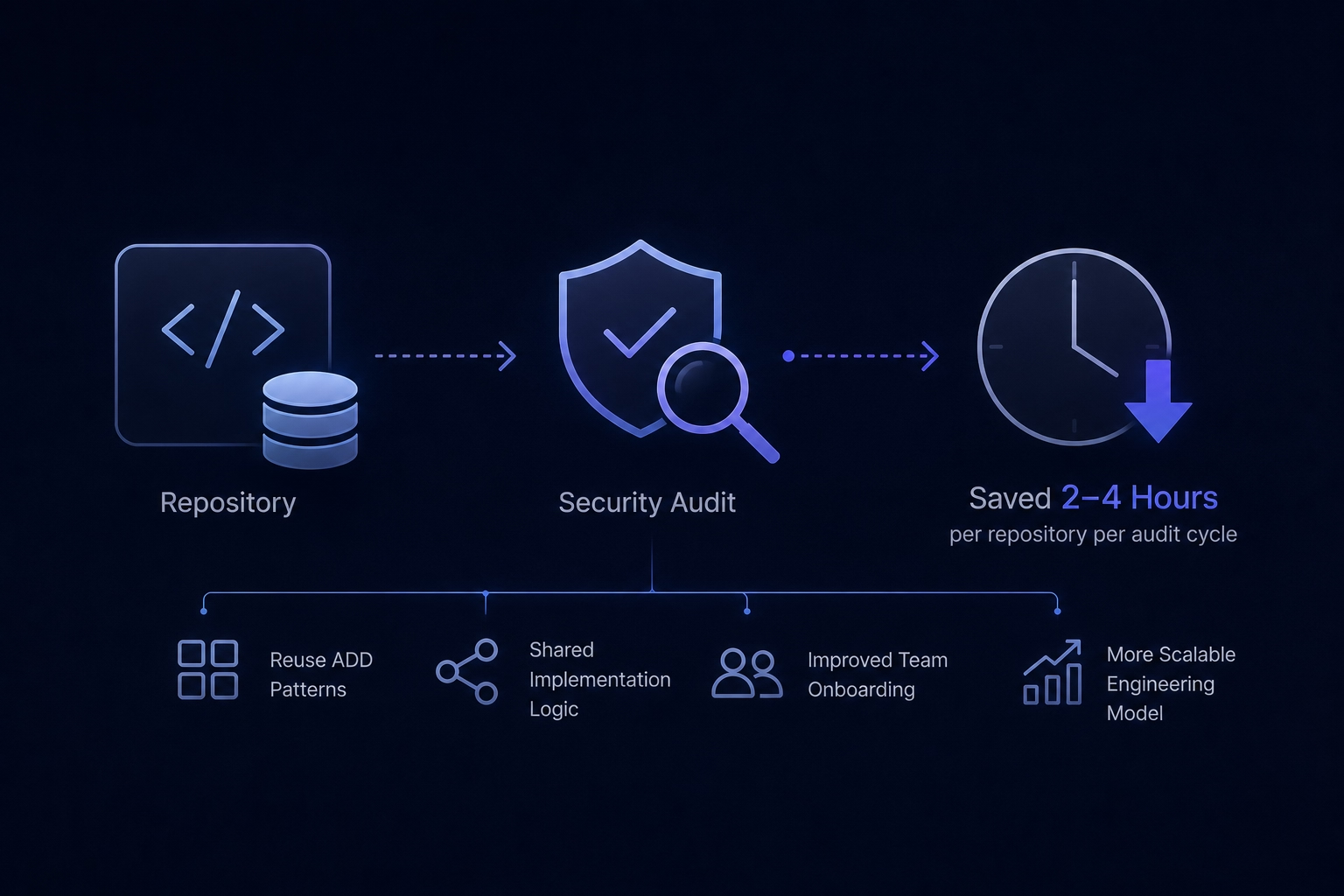
Saved approximately 2-4 hours per repository during each security audit cycle by reusing established ADD patterns and shared implementation logic. The result was a more scalable engineering model that supported multiple connected modules, improved team onboarding, and reduced repeated operational effort across the platform.
Explore More Customer Stories




Let’s Build Something Great Together
Tell us what challenges you're solving, and we’ll show you how we can help.
We're here to help. Reach out to us with any questions or inquiries.
Thank you! Your submission has been received!
Oops! Something went wrong while submitting the form.
Closing the AI Gap — From Vision to Reality.


